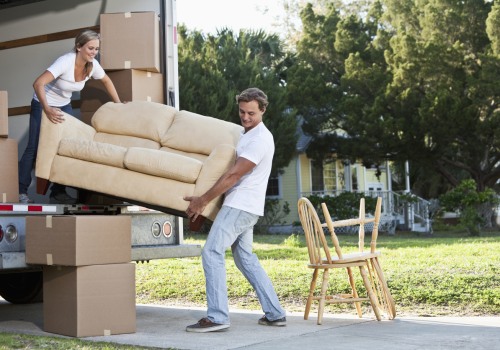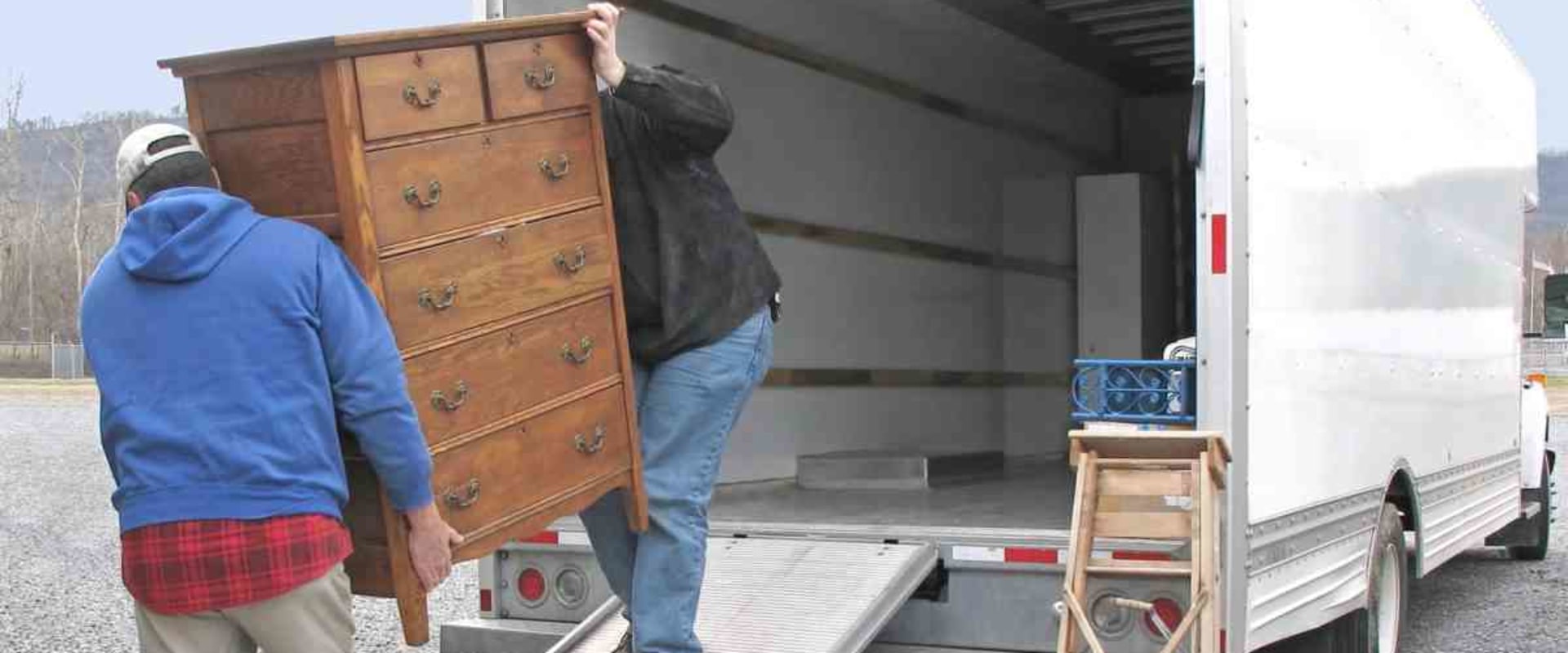
Packing and loading a rental truck starts long before the ramp drops. Begin by estimating your load honestly so you select the right truck size and avoid multiple trips. Gather supplies early—uniform boxes, heavy-duty tape, stretch wrap, furniture pads, and a basic toolkit—so you’re not improvising on moving day. Label every box on at least two sides with room and contents, and mark “heavy” or “fragile” clearly to guide placement. Create a simple loading plan on paper that prioritizes weight distribution and unloading order; knowing what goes in first (and last) saves time and prevents unnecessary reshuffling. Schedule helpers in shifts so energy stays high, and keep a clear path from door to truck to reduce trips and injuries.
Smart Packing for Protection and Efficiency
How you pack determines how well items survive the drive. Start with small, dense items in small boxes and keep weights consistent to make stacking safer. Fill empty space inside boxes with towels or packing paper to stop shifting, but avoid overstuffing that causes bulging. Wrap fragile items individually and nest them vertically rather than flat when possible. Disassemble furniture to reduce awkward angles; bag and tape hardware to the largest piece it belongs to. Appliances should be cleaned, dried, and secured with doors taped shut (never tape directly on finished surfaces—use stretch wrap over padding). A calm, methodical approach—like the crews at Mountain Movers ATX emphasize—turns packing into a system rather than a scramble.
Loading Order and Weight Distribution
Load the heaviest items first to create a stable base: appliances, safes, tool chests, and solid wood furniture should sit against the front wall of the truck (closest to the cab). This anchors the load and improves handling. Place long items along the walls, using straps to prevent sway. Stack mattresses and sofas upright, pad corners generously, and wedge them to lock in heavier pieces. Medium-weight boxes go next, stacked tightly like bricks with seams offset for strength. Finish with light boxes and soft items to fill gaps and cushion edges. Keep the center of gravity low and even from side to side to reduce shifting during turns and braking.
Securing, Strapping, and Space Optimization
Straps are nonnegotiable. Use E-track or tie rails every few feet to cinch down layers as you build upward, not just at the end. Think in tiers: load, strap, pad, repeat. Fill voids with rolled rugs or couch cushions to eliminate dead space that invites movement. Avoid placing fragile boxes near the door unless they’ll be unloaded immediately. Keep a “last-on” essentials zone for toolkits, bedding, and first-night supplies so you can access them without unloading the truck. Before closing the door, give the load a firm shake; if anything shifts, add padding or straps until it’s rock solid.
Safety, Driving, and Unloading Strategy
Lift with legs, communicate clearly, and take hydration breaks to prevent fatigue-related mistakes. Wear gloves with grip and closed-toe shoes. Once on the road, drive smoothly—gentle acceleration, wide turns, and longer stopping distances protect both cargo and crew. On arrival, reverse your loading logic: unload light items first to clear space, then release straps tier by tier. Place boxes directly into their labeled rooms to avoid double handling. A thoughtful packing and loading process not only safeguards belongings but also turns a demanding day into a controlled, efficient operation.