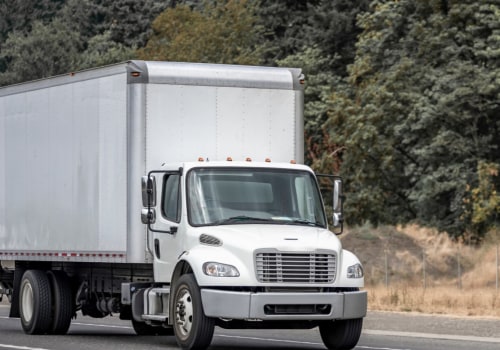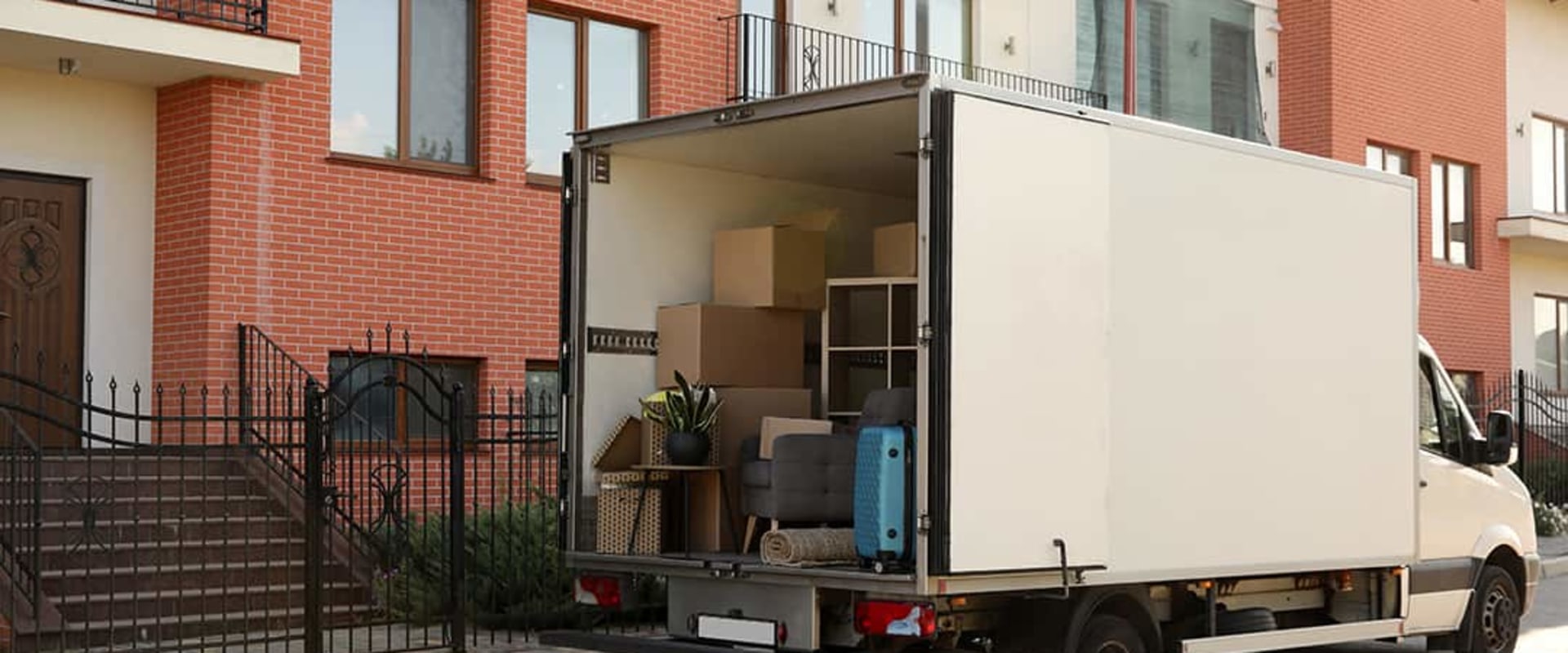
When tackling a commercial, construction, or home improvement project, transportation and hauling logistics are just as important as the tools and materials involved. Whether you're moving equipment, transporting debris, or delivering goods, renting a truck is often the most efficient and cost-effective solution. However, choosing between a long-term and short-term truck rental isn’t always straightforward. The best option depends on several key factors, including the duration, scope, budget, and overall goals of your project.
The Flexibility of Short-Term Rentals
Short-term truck rentals—typically defined as daily or weekly agreements—are ideal for small to mid-sized projects that require hauling for just a few days. These might include weekend landscaping jobs, small-scale renovations, or relocating furniture and equipment. Short-term rentals provide flexibility and are often more affordable for brief tasks where a vehicle is only needed for specific deliveries or one-off hauls. Many contractors and DIYers appreciate the convenience of picking up a truck for the weekend, completing the job, and returning it without worrying about long-term commitments.
In addition to cost savings, short-term rentals offer the latest models and features without the burden of maintenance. Rental agencies frequently service their fleets, ensuring trucks are in good condition and ready to go. If you only need a vehicle for a specific timeframe, this option keeps things simple and allows you to plan around tight deadlines without long-term storage or liability.
When Long-Term Rentals Make Sense
Long-term rentals, on the other hand, are better suited for ongoing or large-scale projects that span several weeks or months. Construction crews, real estate developers, seasonal businesses, and logistics teams often benefit from having consistent access to a vehicle without the high cost of ownership. Long-term agreements typically include discounted rates, scheduled maintenance, and the ability to customize the vehicle with branding or upfitting options for specific tasks.
If your project involves repeated trips, remote job sites, or unpredictable timelines, long-term rentals provide peace of mind and operational consistency. For example, if you're overseeing multiple properties or rotating teams between sites, having a truck available every day eliminates the hassle of scheduling individual rentals over and over again.
Assessing Your Project Needs
To determine which rental type best fits your project, consider the total duration, number of hauling trips, type of materials, and whether you need the vehicle every day or just occasionally. If your work involves demolition, excavation, or major cleanouts, you may also need additional services like waste management or debris removal. Coordinating truck rentals with services like dumpster rental in Omaha NE ensures that your site remains clean, safe, and efficient throughout the project, whether you’re working for a single day or several months.
The Bottom Line
There’s no one-size-fits-all answer when it comes to truck rentals. Short-term options offer flexibility, affordability, and ease of use for quick jobs, while long-term rentals provide sustained support and potential cost savings for extended projects. Understanding the nature of your project and planning accordingly will help you choose the best solution—and avoid unnecessary expenses or delays. Whether you’re launching a weeklong cleanup or managing a multi-phase development, selecting the right rental duration can make all the difference in your workflow and results.