Small businesses often face unique challenges when it comes to managing growth, inventory, equipment, and transportation. Unlike large corporations with dedicated warehouses and vehicle fleets, many small business owners must find cost-effective ways to remain flexible while meeting customer demands. As markets shift and operational needs change, maintaining the ability to scale up or down quickly becomes a significant advantage. Two tools that have become increasingly valuable in this regard are truck rentals and self-storage solutions. Together, they provide businesses with practical ways to handle logistics without making major long-term investments.
Operational flexibility is especially important for businesses that experience seasonal fluctuations. Retailers may need additional space during peak shopping periods, while contractors and service providers often require temporary transportation for equipment and materials. Rather than purchasing commercial vehicles or leasing expensive warehouse space year-round, many businesses choose solutions that allow them to pay only for what they need when they need it.
The Value of Truck Rentals
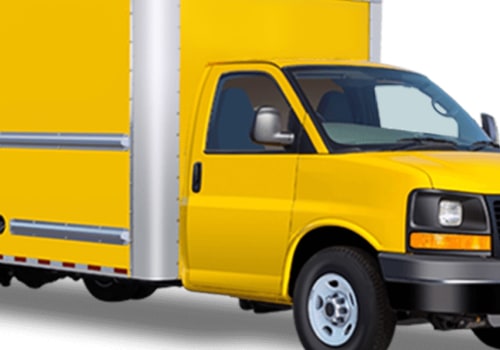
Truck rentals offer a convenient way for small businesses to manage transportation requirements without the financial burden of vehicle ownership. Purchasing a commercial truck involves substantial upfront costs, ongoing maintenance expenses, insurance requirements, and storage considerations. For businesses that only need larger vehicles occasionally, ownership may not be economically practical.
By utilizing truck rentals, companies can transport inventory, equipment, furniture, displays, and supplies efficiently while maintaining greater financial flexibility. Businesses involved in event services, landscaping, construction, retail distribution, and moving assistance frequently benefit from access to rental vehicles during busy periods. Truck rentals also help businesses respond quickly to unexpected opportunities, such as large orders, temporary projects, or last-minute deliveries that exceed the capacity of their regular transportation methods.
This flexibility allows business owners to allocate resources toward growth initiatives rather than tying up capital in assets that may sit unused for significant portions of the year.
How Self Storage Supports Growth
As businesses expand, physical space often becomes one of the first operational constraints. Inventory begins to overflow into offices, garages, spare rooms, and work areas, reducing efficiency and creating organizational challenges. Self-storage facilities provide an alternative that enables businesses to separate operational workspaces from inventory and equipment storage.
Many entrepreneurs use storage units to hold excess inventory, promotional materials, trade show displays, seasonal products, archived documents, tools, and specialized equipment. This additional space helps maintain cleaner and more productive work environments while ensuring important business assets remain accessible when needed.
For startups and growing companies, self-storage also offers a lower-cost alternative to leasing larger commercial properties. Instead of committing to expensive long-term warehouse contracts, businesses can adjust storage space according to changing operational requirements.
Combining Transportation and Storage for Maximum Efficiency
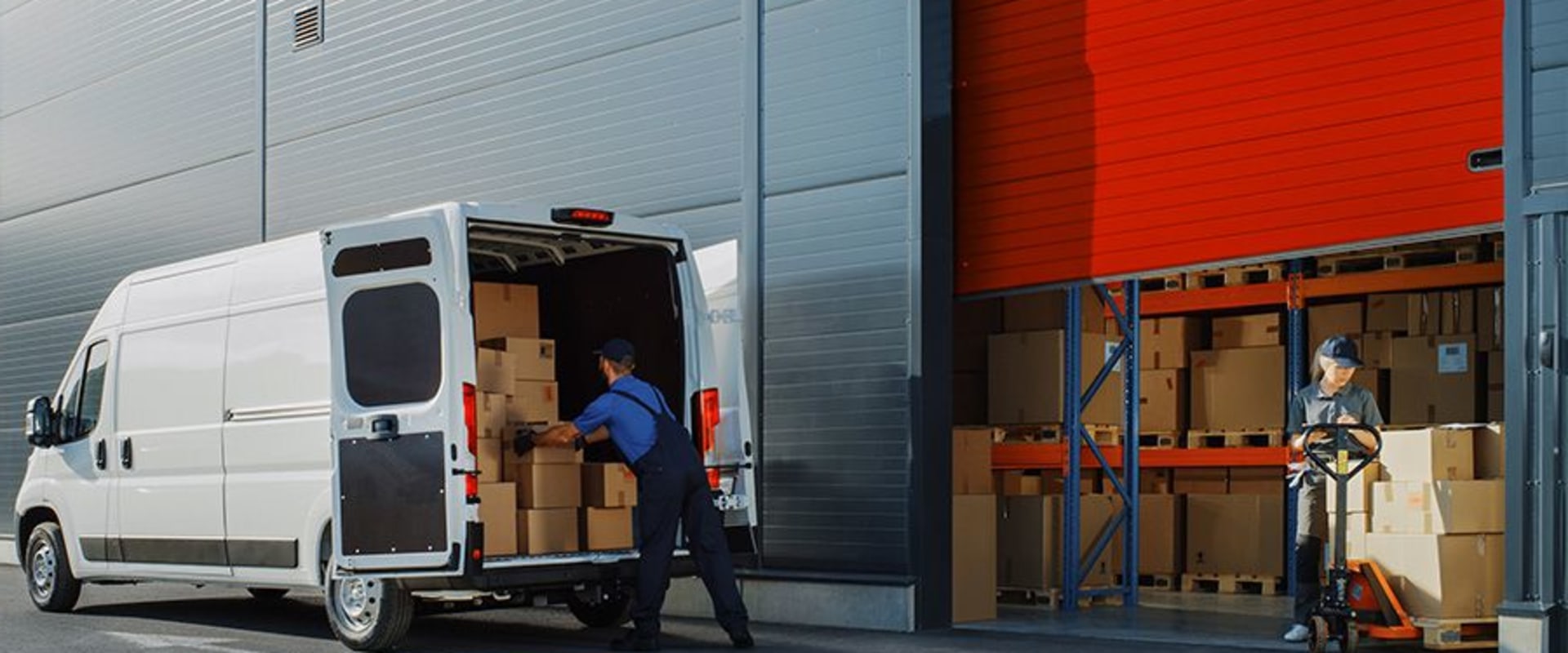
The greatest advantage often comes from combining truck rentals with self-storage solutions. Together, they create a flexible logistical system that can adapt to changing business demands. Inventory can be stored securely and transported only when necessary, helping businesses avoid unnecessary expenses while maintaining operational readiness.
Many business owners rely on providers such as Total Space (https://totalspace.com/) as part of a broader strategy to streamline storage and logistics operations. Having access to dependable storage while utilizing rental transportation when needed allows companies to remain agile in competitive markets.
Building a More Resilient Business Model
In today’s business environment, adaptability is often just as important as profitability. Small businesses that embrace flexible solutions can respond more effectively to changing customer expectations, economic conditions, and growth opportunities. Truck rentals reduce transportation barriers, while self-storage solutions provide scalable space for inventory and equipment management.
By leveraging these resources strategically, business owners can improve efficiency, reduce overhead costs, and create operations that are capable of evolving alongside their organizations. Rather than viewing transportation and storage as separate concerns, many successful small businesses recognize them as interconnected tools that support long-term stability and growth. This practical approach helps businesses remain competitive while preserving the flexibility needed to thrive in an ever-changing marketplace.