Renting a truck is often one of the most practical ways to handle a residential or small business move. Whether transporting furniture, office equipment, or seasonal belongings, truck rentals provide flexibility and cost control. However, ensuring a smooth drop-off at a self storage facility requires thoughtful preparation. Without a clear strategy, unloading can become time-consuming, physically demanding, and inefficient. By planning in advance—selecting the right truck size, organizing items logically, and coordinating with the storage facility—customers can turn what might feel overwhelming into a streamlined process.
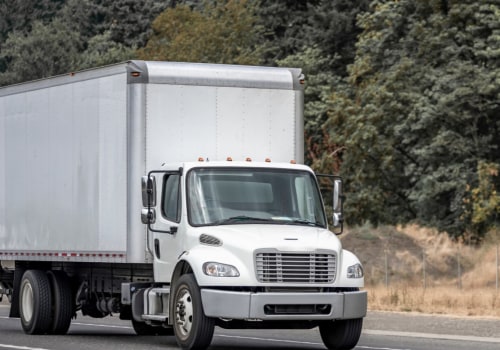
Choosing the appropriate truck size is the first step. Renting a vehicle that is too small may require multiple trips, while one that is too large can be difficult to maneuver in tighter facility spaces. Reviewing storage unit dimensions before booking the rental helps ensure compatibility between vehicle capacity and storage layout.
Coordinating Arrival and Access
Timing plays a critical role in achieving a smooth drop-off. Customers should confirm facility access hours and any gate entry procedures before arriving with a loaded truck. Some storage locations provide extended or 24-hour access, while others operate within set business hours. Coordinating arrival times prevents unnecessary delays and allows renters to maximize their truck rental window efficiently.
Facilities such as Airway Heights Mini-Storage often provide clear access routes and wide drive aisles designed to accommodate moving trucks. Confirming these details ahead of time reduces stress upon arrival. It is also helpful to inquire about loading zones, elevator access (if applicable), and the availability of moving carts or dollies to expedite unloading.
Organizing for Efficient Unloading
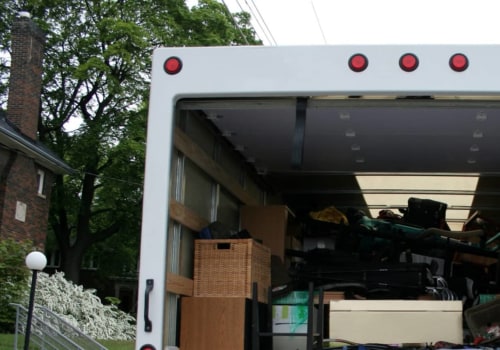
A well-organized truck load can significantly improve unloading speed and reduce physical strain. Placing heavier furniture and large boxes near the rear of the truck ensures they are accessible first, allowing movers to position bulky items along the back or sides of the storage unit. Smaller boxes and lightweight items can then fill gaps efficiently.
Labeling boxes clearly and grouping items by category simplifies placement within the unit. For example, seasonal décor, office supplies, or kitchen items can be stored together for easy retrieval later. Creating an aisle within the storage unit during unloading ensures that frequently needed belongings remain accessible without requiring complete reorganization.
Protecting Belongings During Transfer
Truck rental strategies should also include protective measures. Using furniture pads, tie-down straps, and shrink wrap during transit helps prevent shifting and damage. When unloading, placing protective coverings on the storage unit floor or using pallets can reduce exposure to dust or moisture. Taking these precautions preserves the condition of items, particularly when they will remain in storage for extended periods.
Additionally, planning for weather conditions is essential. If rain or snow is expected, having tarps or plastic covers ready can shield items during transfer from truck to unit. Quick, organized unloading minimizes exposure and maintains the integrity of stored belongings.
Maximizing Efficiency and Cost Control
Ultimately, truck rental strategies focused on preparation, coordination, and organization ensure a smooth drop-off experience. By aligning rental timing with storage access, selecting the right vehicle size, and planning the unloading process carefully, customers can save time and reduce stress.
A strategic approach transforms a potentially chaotic move into an efficient, well-managed transition. With thoughtful preparation, truck rentals and self storage facilities work together seamlessly, providing convenience, flexibility, and peace of mind throughout the moving process.