Relocating an office requires much more than transporting desks and computers from one location to another. Businesses must carefully coordinate employees, equipment, documents, furniture, and technology while minimizing disruptions to daily operations. One of the most effective ways to control moving costs and maintain flexibility is through truck rental. Renting the appropriate vehicle allows companies to transport assets according to their own schedule instead of relying entirely on third-party movers. With a well-organized relocation plan, businesses can prioritize essential departments, reduce downtime, and ensure that critical operations resume as quickly as possible after the move. Proper planning also helps identify potential challenges before moving day, making it easier to assign responsibilities and keep every phase of the relocation on track.
Choosing the Right Rental Vehicle
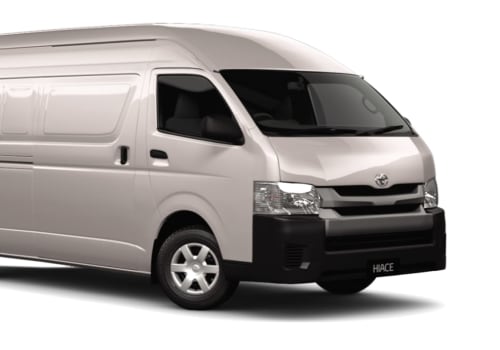
Selecting the appropriate truck is one of the most important decisions during an office relocation. Renting a vehicle that is too small can require multiple trips, increasing fuel expenses and extending the moving timeline. On the other hand, an oversized truck may be more expensive than necessary and more difficult to maneuver in busy commercial areas. Businesses should estimate the volume of furniture, office equipment, and boxed supplies before choosing a rental option. Factors such as loading ramps, lift gates, cargo tie-downs, and vehicle accessibility should also be considered to improve safety and efficiency. Organizations that evaluate their transportation needs in advance are more likely to complete the move smoothly while avoiding unnecessary costs and delays.
Organizing Equipment and Moving Logistics
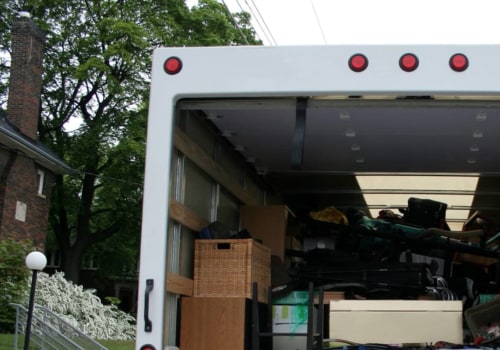
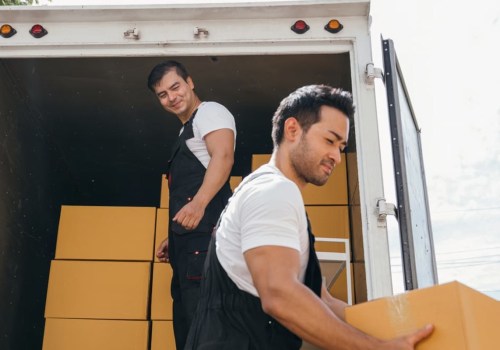
An organized packing strategy is just as important as selecting the right truck. Office furniture should be disassembled whenever possible, while computers, printers, and electronic equipment should be packed securely using protective materials. Labeling every box according to department or destination room simplifies the unloading process and allows employees to settle into the new office more quickly. Businesses should also establish a loading sequence that places frequently needed items near the truck's rear for easier access. Companies looking to simplify the process even further may choose to rent now to secure their preferred truck well before the moving date, especially during busy relocation seasons when vehicle availability may be limited. Reserving equipment early provides greater scheduling flexibility and helps avoid last-minute complications.
Reducing Downtime During the Transition
Every hour spent moving is time that employees may be unable to perform their regular responsibilities. To reduce operational interruptions, many businesses schedule relocations during weekends, holidays, or after normal working hours. Departments can also be moved in stages rather than relocating the entire office at once, allowing essential business functions to continue throughout the transition. Clear communication with employees, clients, vendors, and service providers helps ensure everyone understands the relocation timeline and any temporary adjustments. Coordinating internet installation, phone systems, utilities, and security services before moving day further minimizes disruptions and allows operations to resume immediately upon arrival at the new office.
Building a Successful Relocation Strategy
Office relocations present unique logistical challenges, but careful planning and smart truck rental strategies can significantly improve the overall experience. By selecting the right vehicle, organizing equipment efficiently, preparing employees for the transition, and scheduling the move strategically, businesses can reduce costs while maintaining productivity. A well-executed relocation not only protects valuable office assets but also supports employee confidence during periods of change. With thoughtful preparation and reliable transportation, companies can complete office moves with minimal disruption, allowing them to focus on serving customers, supporting their teams, and continuing business growth in their new location.