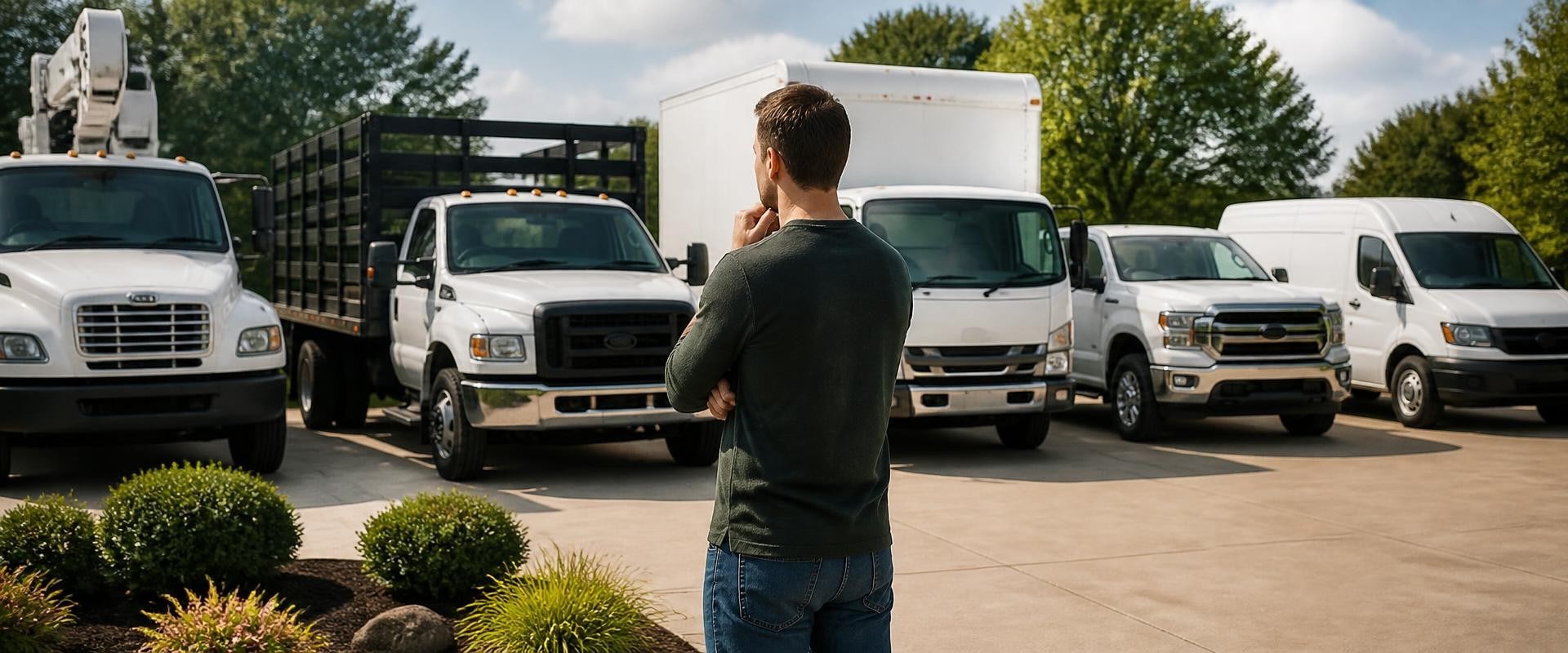
Choosing the right rental truck starts with understanding exactly what needs to be transported. A small household move, a large commercial relocation, equipment delivery, furniture transport, or construction project can each require a different type of vehicle. Renting a truck that is too small may result in multiple trips, while choosing one that is unnecessarily large can increase fuel use and make driving more difficult. Before making a reservation, it helps to estimate the size, weight, and type of items being moved. Knowing the purpose of the rental makes it easier to select a truck that provides the necessary space without creating additional complications.
Matching Truck Size to Cargo
Cargo volume is one of the biggest factors when selecting a rental truck. Smaller cargo vans may be suitable for boxes, supplies, or a limited amount of furniture, while box trucks can accommodate larger household moves or business equipment. Larger moving trucks offer significantly more cargo space but may also require more experience to operate safely. Transportation planning is important across many types of travel and logistics, including services such as Utah Luxury Transportation Network in Park City, where vehicle selection may depend on passenger capacity, luggage requirements, and destination conditions. The same principle applies to truck rentals: the vehicle should match the specific transportation task.
Evaluating Weight Requirements
Truck capacity involves more than available floor space. Every rental vehicle has weight limits that determine how much cargo it can safely carry. Heavy items such as appliances, machinery, building materials, or commercial equipment can quickly increase the total load. Exceeding a truck's recommended capacity may affect braking, handling, and overall safety. Renters should estimate the weight of their cargo and confirm the vehicle's payload rating before loading. Proper weight distribution is also important because placing too much weight on one side or at the rear can make the truck more difficult to control.
Considering Driving Distance
The distance of the trip can also influence which truck is most practical. For short local moves, renters may prioritize cargo capacity and easy loading. Longer trips may require greater attention to fuel efficiency, driver comfort, reliability, and highway performance. A larger truck may reduce the number of trips needed, but it could consume more fuel. For long-distance travel, choosing a vehicle that balances cargo space with manageable operating costs can make the overall rental experience more efficient.
Accounting for Loading and Unloading
Different trucks provide different loading features. Some have ramps, lift gates, low cargo floors, or wide rear doors that make it easier to move heavy or oversized items. Furniture, appliances, tools, and commercial equipment may be difficult to load into a vehicle without the proper access features. Renters should consider whether additional equipment such as dollies, straps, or moving blankets will be necessary. Choosing a truck with suitable loading features can reduce physical effort and help protect cargo from accidental damage.
Considering Road and Parking Conditions
The environment where the truck will be driven should also affect the decision. Large trucks may be challenging to maneuver through narrow streets, apartment complexes, parking garages, or crowded commercial areas. A smaller vehicle may be more practical when space is limited. Weather, steep roads, and unfamiliar routes can also influence vehicle choice. Renters should consider both the pickup and destination locations before selecting a truck.
Choosing a Practical Rental Vehicle
The most appropriate rental truck is ultimately determined by cargo size, weight, travel distance, loading requirements, and driving conditions. Taking time to evaluate these factors can prevent unnecessary trips, oversized rentals, and transportation difficulties. By selecting a vehicle based on actual needs rather than simply choosing the largest option available, renters can improve efficiency, control costs, and make the transportation process safer and more manageable from start to finish.