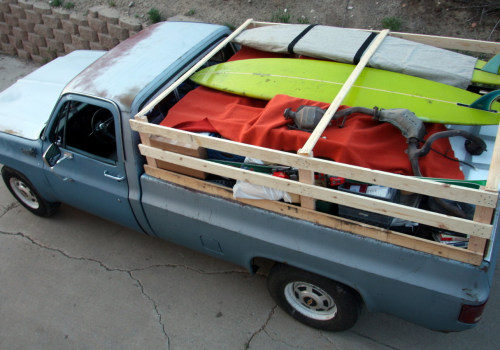
Choosing the Wrong Truck Size
One of the most common mistakes people make when renting a truck is selecting a vehicle that does not match their transportation requirements. Renting a truck that is too small may require multiple trips, increasing fuel consumption, mileage charges, and labor expenses. Conversely, choosing an unnecessarily large truck can result in higher rental rates and excessive fuel costs. Before making a reservation, customers should evaluate the quantity, dimensions, and weight of their belongings. Consulting rental providers about suitable vehicle sizes can help prevent unnecessary expenses and improve overall transportation efficiency.
Overlooking Additional Rental Fees
Many customers focus primarily on advertised rental rates without carefully reviewing the associated fees. Truck rental companies may charge additional amounts for mileage, insurance coverage, equipment rentals, environmental fees, and late returns. These expenses can significantly increase the final transportation bill. Reading the rental agreement thoroughly and requesting a detailed cost breakdown can help customers understand their financial obligations. Comparing estimates from multiple providers also allows individuals and businesses to identify rental arrangements that offer better value without unexpected financial surprises.
Failing to Explore Alternative Transportation Options
Renting a truck may not always be the most economical solution for every transportation requirement. Individuals and businesses should evaluate whether professional transportation services can better accommodate their specific needs. For example, companies coordinating corporate events may consider providers such as Caddy Chauffeured Services for passenger transportation while reserving trucks exclusively for equipment and materials. Separating transportation requirements according to their intended purposes can help reduce unnecessary vehicle rentals, improve logistical coordination, and prevent businesses from paying for transportation capacity they do not actually need.
Underestimating Fuel and Mileage Expenses
Fuel consumption and mileage charges can represent a substantial portion of overall truck rental expenses. Larger vehicles generally consume more fuel, particularly when carrying heavy loads or traveling through congested areas. Customers who underestimate travel distances may exceed their allotted mileage and incur additional charges. Planning efficient routes, avoiding unnecessary detours, and estimating fuel requirements beforehand can help control transportation costs. Understanding the rental company's refueling policy is equally important, as returning a vehicle with insufficient fuel may result in expensive refueling fees.
Neglecting Vehicle Inspections Before Departure
Failing to inspect a rental truck before accepting it can expose customers to unexpected repair charges. Existing scratches, dents, damaged equipment, or mechanical issues should be documented before leaving the rental facility. Taking photographs and reporting visible damage to rental representatives can help prevent disputes when returning the vehicle. Customers should also check tire conditions, lighting systems, mirrors, and other essential safety features. A thorough inspection reduces the likelihood of transportation delays, unexpected breakdowns, and disagreements regarding responsibility for vehicle damage.
Miscalculating Rental Duration
Poor time management is another mistake that can increase truck rental expenses. Customers sometimes underestimate the time required for loading, transportation, unloading, and returning the vehicle. Unexpected traffic conditions, insufficient assistance, and logistical complications can cause delays that result in additional rental charges. Creating a realistic transportation schedule with sufficient time for unforeseen circumstances helps prevent expensive extensions. Coordinating loading activities and preparing belongings before collecting the truck can also improve efficiency and reduce unnecessary rental time.
Ignoring Insurance and Coverage Requirements
Overlooking insurance requirements can leave customers financially vulnerable to accidents, vehicle damage, and other unexpected incidents. Personal automobile insurance policies may not cover commercial or rental trucks, making it important to verify existing coverage before declining additional protection. Reviewing deductibles, exclusions, and liability limits helps customers make informed decisions. Careful planning and understanding rental conditions ultimately contribute to more predictable transportation expenses.